

-
 Steve Hansen


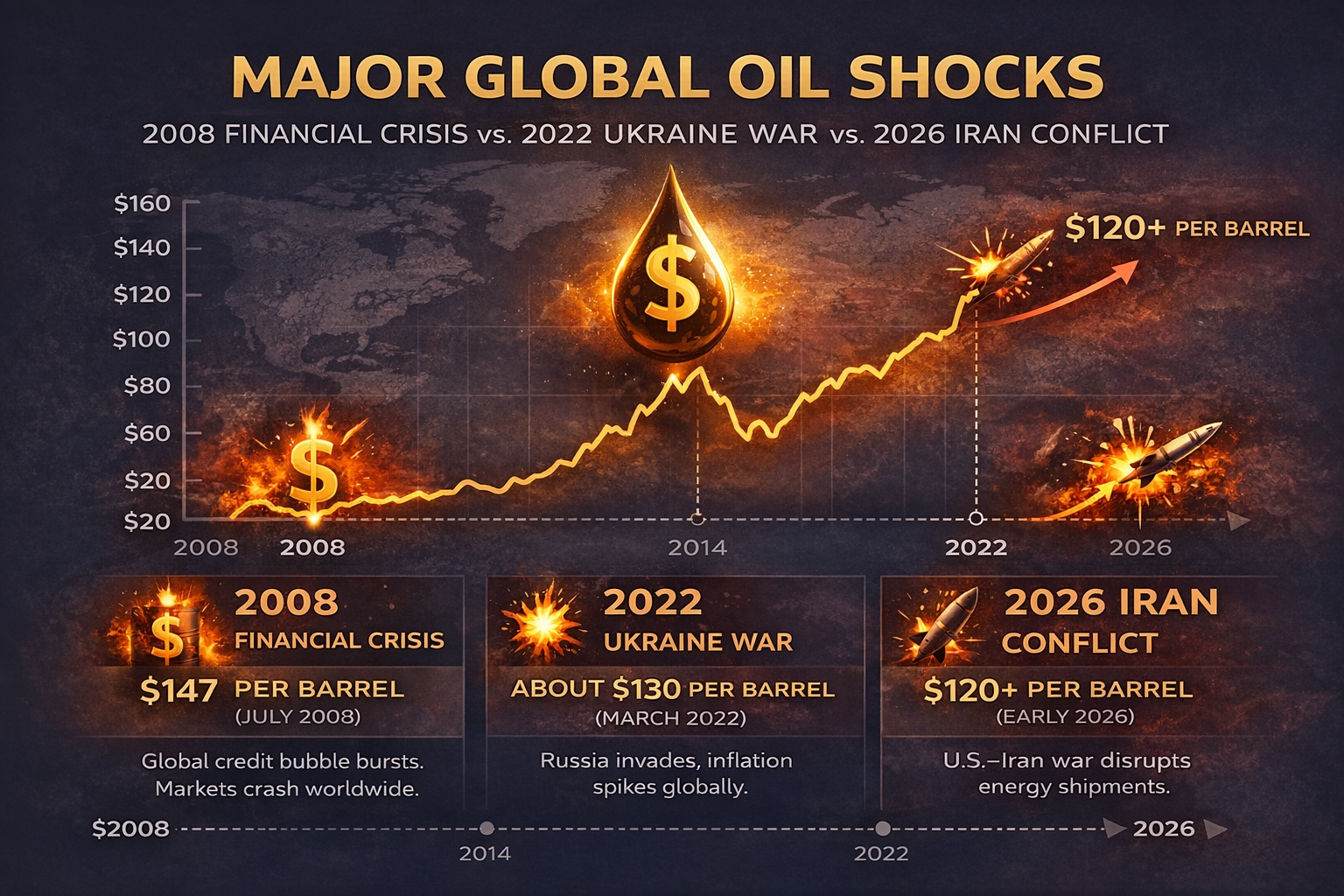
Anyone as old as I am remembers the Beverly Hillbillies and how Jed Clampett struck oil on his property, and that “bubbling crude” took him from the Ozark backwoods to Beverly Hills. Well, fast-forward 50 years, and here we are with all the components necessary to spike oil prices past critical levels and wreak havoc on global markets. The days of casually going “fishin’ in the cement pond,” as Jethro would say, are over.
For those who say it could never happen, they have apparent amnesia of the past. How about the Russian invasion of Ukraine in early March of 2022, when oil hit $130 per barrel? In 2008, oil hit $147 per barrel just before the Global Financial Crisis. History is filled with event-driven spikes in oil prices, and the effects are usually felt worldwide.
What Happens if Oil Prices Continue To Climb?
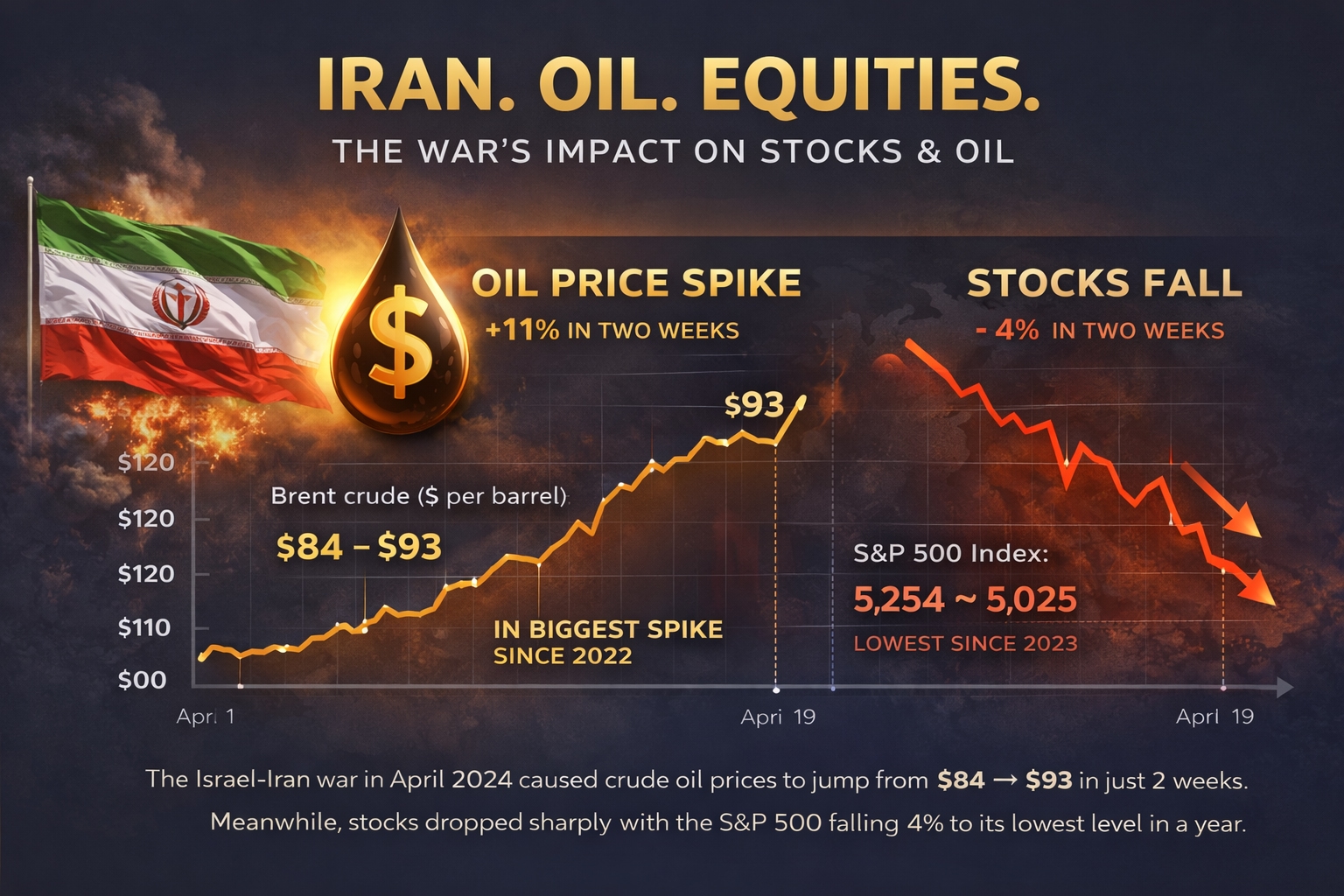
Oil prices have historically been one of the most powerful drivers of global economic shifts. Because petroleum fuels transportation, manufacturing, agriculture, and logistics, even modest increases can ripple through the economy.
But when prices move from $120 to $200 per barrel, the consequences escalate quickly—from inflation pressures to global recession risks.
Below is a step-by-step look at how the economic landscape could change as oil climbs in $10 increments.
$120 Oil Per Barrel – Inflation Returns
At $120 per barrel, the global economy begins to feel real pressure.
Fuel prices increase significantly, pushing up the cost of gasoline, diesel, and jet fuel. Transportation costs rise, which affects nearly every product that moves through supply chains.
Businesses start passing costs to consumers, leading to:
- Higher grocery prices
- More expensive airline tickets
- Increased shipping costs
- Rising manufacturing expenses
Central banks like the Federal Reserve may delay interest-rate cuts or even tighten monetary policy if inflation accelerates.
Economic growth slows, but the system is still functioning normally.
$130 Oil Per Barrel – Supply Chain Stress
At $130 per barrel, energy costs are starting to impact corporate margins across multiple industries.
Transportation and logistics companies experience a sharp increase in operating costs. Airlines and trucking firms must either raise prices or absorb shrinking profit margins.
Manufacturers and retailers begin adjusting pricing strategies as shipping costs climb.
Consumers feel the squeeze through:
- Higher commuting costs
- More expensive goods
- Reduced discretionary spending
Energy companies, however, see profits surge as higher prices translate into massive cash flow.
$140 Oil Per Barrel – Demand Starts to Shift
By $140 per barrel, consumer behavior begins to change.
Households start cutting back on travel and unnecessary driving. Businesses examine ways to reduce transportation costs and increase energy efficiency.
Industries with high energy dependence—such as airlines, agriculture, and shipping—face mounting pressure.
Governments may begin discussing policy responses such as:
- Strategic petroleum reserve releases
- Temporary tax relief on fuel
- Subsidies or incentives for alternative energy
Economic growth slows further, and recession risks begin to rise.
$150 Oil Per Barrel – Stagflation Risk Emerges
- Raise interest rates to fight inflation
- Or cut rates to support economic growth
$160 Oil Per Barrel – Corporate Strain
At $160 per barrel, corporate balance sheets begin to feel serious stress.
Transportation-heavy sectors struggle with profitability. Airlines may reduce routes or raise ticket prices significantly. Shipping companies increase freight costs, pushing inflation even higher.
Businesses dependent on global logistics chains may begin restructuring supply networks or moving production closer to home.
Meanwhile, oil producers enjoy windfall profits and accelerate investment in new drilling projects.
$170 Oil Per Barrel – Consumer Pullback
At $170 oil, consumer demand begins to weaken noticeably.
Gasoline prices could climb toward levels that significantly affect household budgets. Families reduce travel, delay large purchases, and spend less on nonessential goods.
Retailers and hospitality businesses may begin to see declining demand.
Economic indicators begin signaling that a slowdown—or recession—could be approaching.
$180 Oil Per Barrel – Demand Destruction
At $180 per barrel, economists begin talking about demand destruction.
Demand destruction occurs when prices rise so high that consumers and businesses drastically reduce usage or adapt to a different lifestyle, similar to the forced changes associated with COVID.
Examples include:
- Less driving
- Fewer flights
- Lower industrial production
- Reduced shipping activity
The global economy begins contracting in response to these behavioral shifts.
$190 Oil Per Barrel – Financial Market Shock
At $190 oil, financial markets may react strongly.
Equity markets often decline as investors anticipate slower economic growth and falling corporate earnings.
Inflation expectations surge, creating volatility in bond markets. Governments face pressure to intervene with energy policies or economic stimulus.
Energy-producing nations accumulate massive revenues, while oil-importing countries struggle with trade imbalances.
$200 Oil Per Barrel – Global Recession Territory
When oil reaches $200 per barrel, the global economy enters crisis territory.
Transportation costs surge, supply chains become extremely expensive to operate, and consumer demand collapses across many sectors.
A worldwide recession becomes highly likely.
Governments respond with emergency actions such as:
- Strategic petroleum reserve releases
- Energy subsidies
- Stimulus spending
- Accelerated domestic energy production
High prices also spark massive investment in energy infrastructure, including drilling, pipelines, and alternative energy technologies.
The Big Picture
Oil between $120 and $200 per barrel creates a powerful chain reaction throughout the global economy.
Higher prices initially benefit energy producers, but prolonged spikes eventually slow economic activity by raising costs for businesses and consumers.
History shows that extreme oil price surges often precede major economic turning points.
For investors, policymakers, and business leaders, monitoring energy prices remains critical because few variables influence the global economy as directly as oil prices. This writer hopes for, and prays for, cooler heads to prevail in the current conflict and eyes to the future based on the past to guide decision-making.
